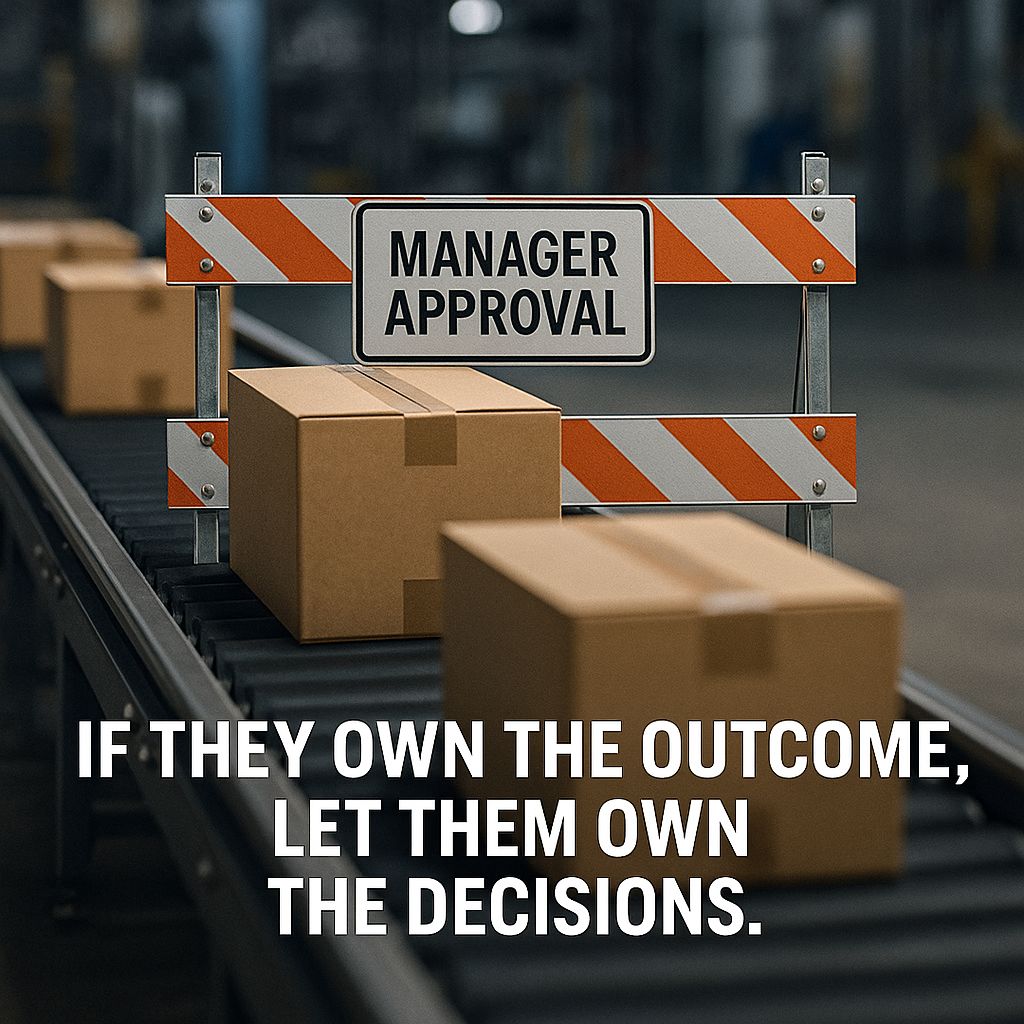
TL;DR: 75% of executives believe they listen closely; only 47% of staff agree. Job cuts harm culture, trust, and innovation more than they save. Data-informed austerity using anonymous employee feedback identifies real inefficiencies and redundancies without the hidden costs of blanket cuts. The gap between intention and perception is where organizational strategy fails.
🔎 Austerity Isn’t About Cuts…….It’s About Clarity
Many organizations (both in Govt and the Private Sector) are currently facing financial pressures. When organizations face financial pressures, the reflex is often to cut: jobs, programs or processes. It feels immediate, visible and decisive. But history shows that austerity-driven decisions made on assumptions rather than evidence can do more harm than good.
💡Many internal processes that seem “non-essential” are actually silent engines of efficiency; creating flow, improving communication, or preventing future costs. When these are removed hastily, organizations often find themselves fixing new problems that didn’t exist before.
Perception Gaps: What the Research Tells Us📊 👉Executives often believe they listen closely to employees. 75% say they consider employee perspectives in decisions, yet fewer than half (47%) of front-line staff agree. Research shows this misalignment is widespread. (Gartner) 👉Only 39% of Canadian employees agree that they trust what senior leaders say while a larger share of leaders believe they’re trusted. (Ipsos) 👉Executives think they’ve already established a “culture of flexibility” (75%), but only 57% of employees agree that the organizational culture is flexible. (Gartner)
Job cuts, in particular, are never just operational decisions. They leave behind reputational scars, psychological trauma, and an environment where employees “walk on eggshells.”
The result? ⚠️Lower trust, ⚠️Reduced innovation ⚠️Diminished productivity ….all of which undermine the very efficiencies austerity aims to achieve.
🌱 The opportunity lies within your workforce. Employees often know exactly where inefficiencies live, and where hidden value thrives. Their insights, when surfaced safely and anonymously, can guide austerity strategies that are data-informed, targeted, and humane.
📌That’s where EmpowerVoice comes in. Our anonymous reporting and feedback platform helps organizations identify inefficiencies, redundancies, and hidden strengths, long before difficult decisions are made. It ensures that voices closest to the work can shape smarter cost-saving strategies that preserve organizational culture and trust.
✨Austerity shouldn’t mean loss, it should mean listening, learning and leading with clarity.
Frequently Asked Questions
Why do 75% of executives believe they listen closely to employees when only 47% of front-line staff agree?
Gartner research reveals widespread perception gaps in organizational listening. Executives report they consider employee perspectives in decisions (75%), yet fewer than half of front-line staff (47%) agree. In Canada, only 39% of employees trust what senior leaders say, while a larger share of leaders believe they’re trusted. This gap reveals that listening and being heard are different—executives hear input without acting on it, creating the appearance of listening without substantive change.
How do austerity-driven cost cuts harm organizational culture beyond immediate financial impact?
Job cuts during austerity leave reputational scars and psychological trauma. Employees “walk on eggshells” following layoffs, leading to lower trust, reduced innovation, and diminished productivity—all of which undermine the efficiency gains austerity aims to achieve. Many internal processes that seem “non-essential” are actually silent engines of efficiency: creating flow, improving communication, and preventing future costs. Hasty removal of these processes often creates new problems that didn’t exist before.
What approach to austerity is more effective than across-the-board cuts?
Data-informed austerity driven by employee insights is more effective than assumption-based cuts. Employees closest to the work know exactly where inefficiencies live and where hidden value thrives. Anonymous reporting and feedback platforms surface specific cost-saving opportunities while preserving organizational culture and trust. This targeted, evidence-based approach identifies redundancies and enables smarter cost strategies instead of broad cuts that damage teams and performance.
Why do perception gaps between executives and employees matter for organizational strategy?
Executives believe they’ve established a “culture of flexibility” (75%), but only 57% of employees agree. These gaps reveal that strategic intentions don’t reach the people executing them. When employees don’t perceive organizational changes, strategies fail regardless of executive intent. Closing these gaps requires feedback systems that surface what employees actually experience versus what leaders assume they’ve communicated—turning perception gaps into data for better decision-making.